
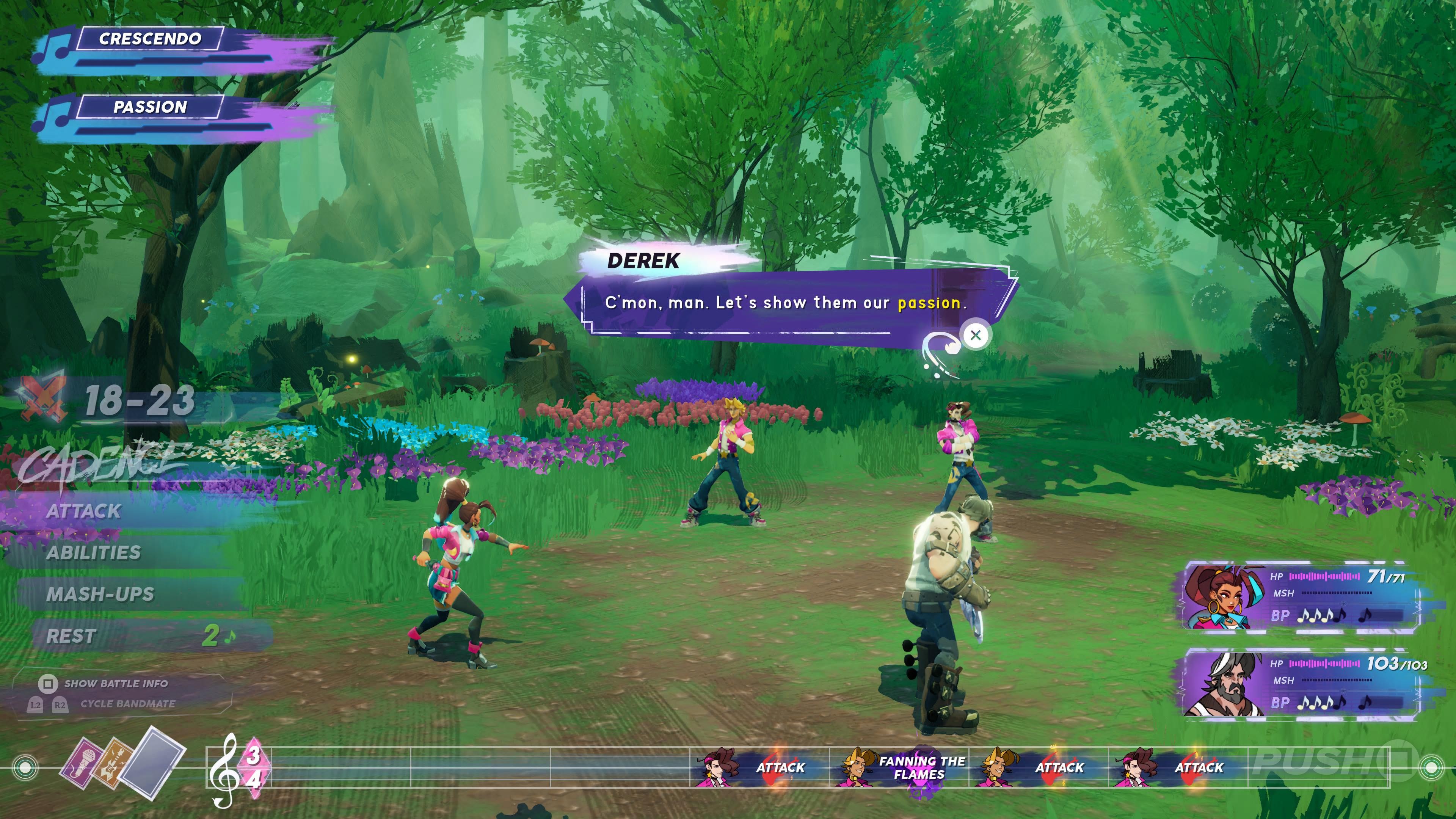
It doesn’t happen very often, but occasionally a game comes around that’s tailor made for me. People of Note, a musical RPG from indie outfit Iridium Studios, is that kinda release.
This one fuses Final Fantasy with K-Pop Demon Hunters, delivering a distinctly dulcet adventure that’s bright and breezy from beginning to end.
I really loved all of the musical interludes and nods to real-life bands, but you need to know what you’re getting in to; the writing is sharp and referential, but it’s very YA (Young Adult) in its tone, which some may find cringey.
You play as Cadence, a wannabe popstar with blue highlights in her hair and a big dream. The story starts out as your typical rags-to-riches affair, with the heroine eager to win a local talent contest.
But as she embarks on a journey to different musical dimensions, greater stakes eventually emerge. The story’s ultimately about how coming together is better than being apart, regardless of our individual tastes and backgrounds.
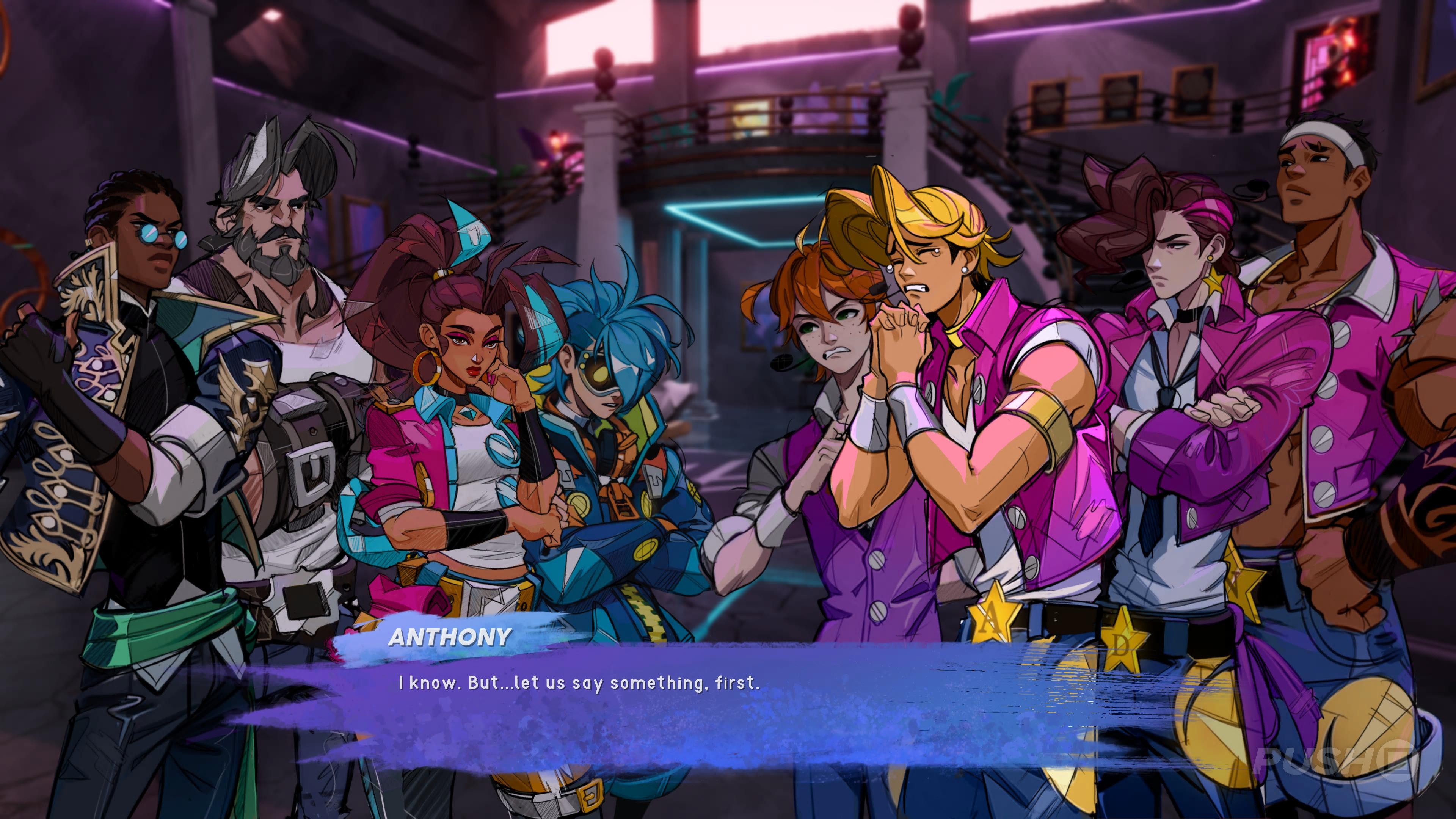
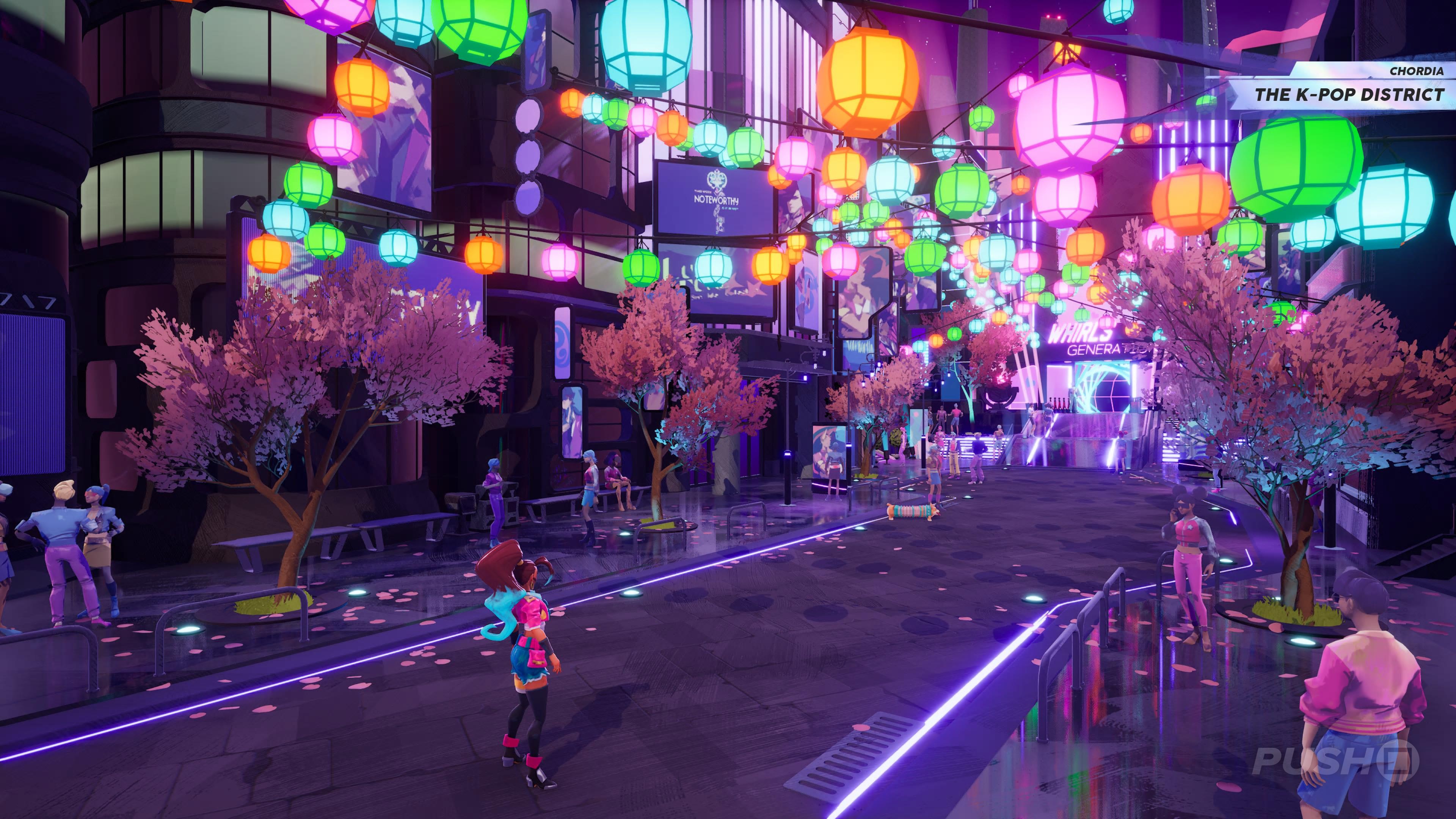
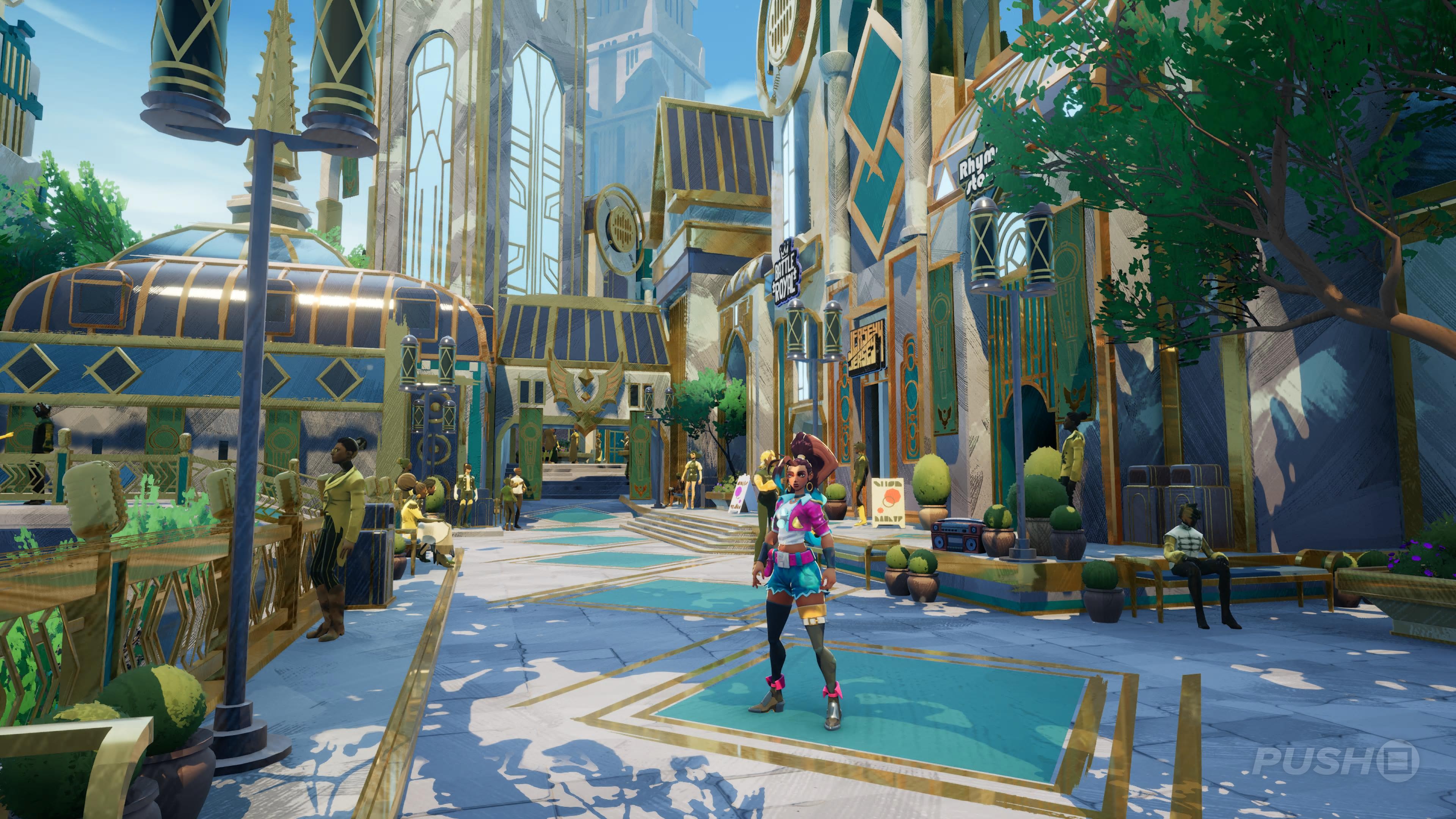
Each location has a unique vibe, whether it’s the rock-inspired Durandis or EDM-influenced Lumina. This allows the environment artists to really stretch their legs, and I personally loved the painterly format of the folk music dungeon and regal architecture of the rap music world.
These locations make way for different narrative vignettes too, such as the war between various genres of rock and the wide-spread adoption of a drug named Glitter. The story moves so fast that I did find it hard to keep up with some key plot points, but I mostly enjoyed how brisk it all is.
I loved all of the references baked into the experience, too. One of the first dungeons you visit is a nightclub named Whirls’ Generation, referencing k-pop icons Girls’ Generation. But it’s not all modern stuff; one puzzle sees you line up clock hands to create a Total Eclipse of the Heart.
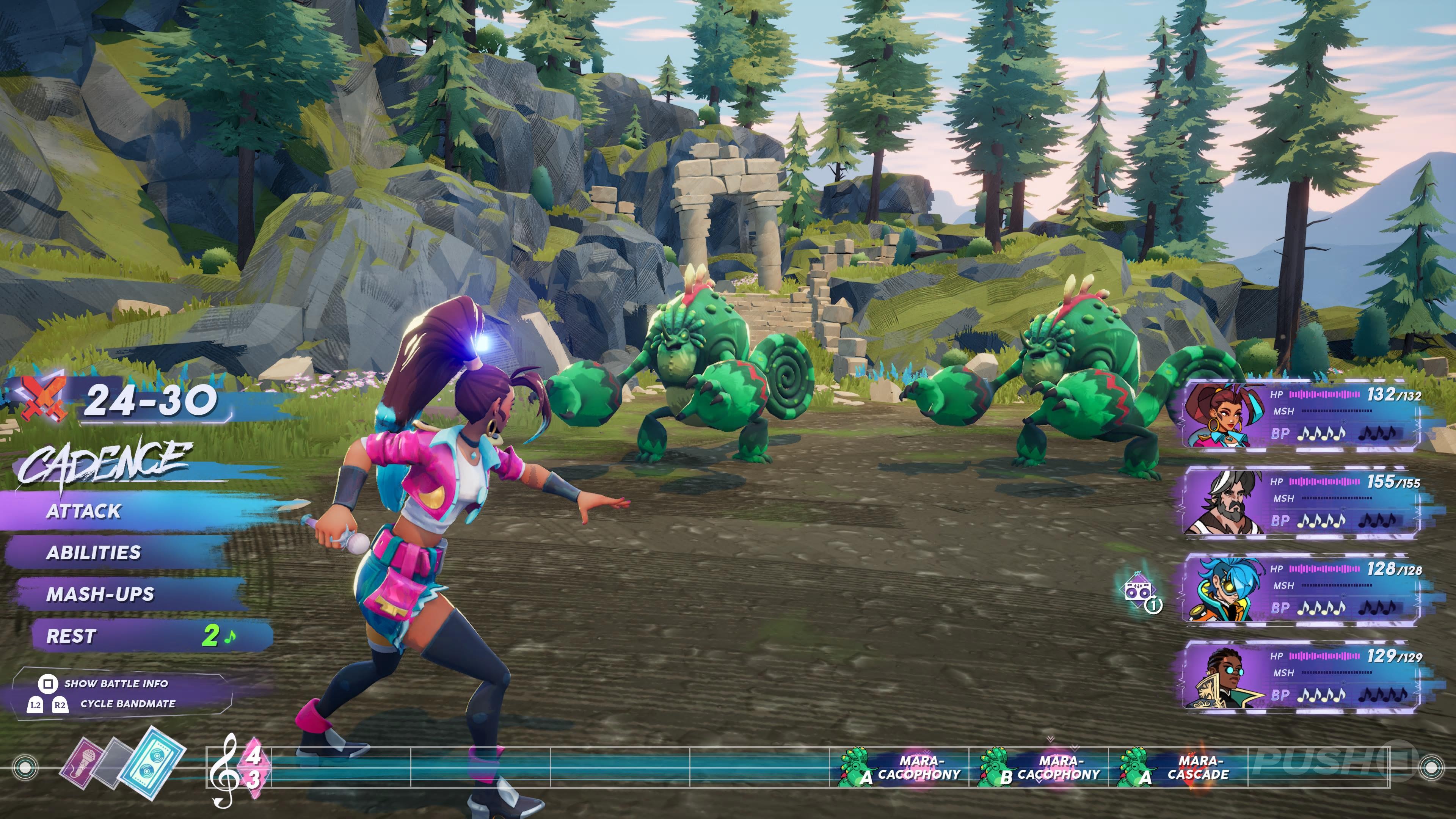
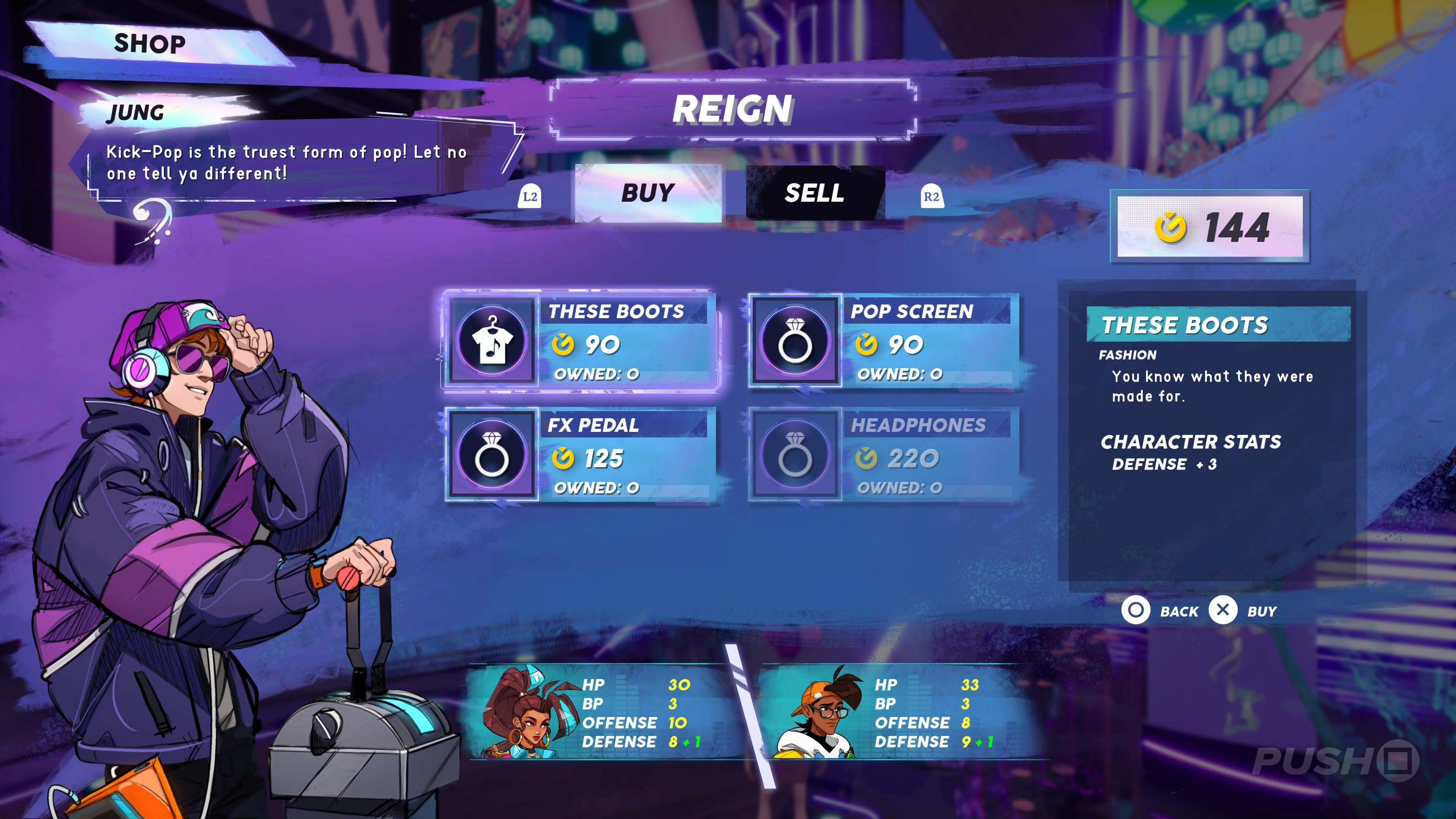
There’s a lot of really good writing here, especially if you appreciate puns. You’ll be travelling uptone and downtone, for example – pretty much all of the gear references bands, like the Linkin Parka et al.
I was blown away by the soundtrack, which changes dynamically depending on the genre. The aforementioned Durandis, for instance, is divided into districts based on different types of rock, and it’s amazing how the music transitions from a Blink-182-inspired sound to Nirvana-era grunge naturally and seamlessly.
These musical elements also apply to the turn-based combat system, which takes the traditional turn order mechanic and transforms it into stanzas.
As you recruit new band members, the complexity of this system increases. Each teammate is assigned a different genre, for example, which doubles their effectiveness when enabled. The genre switches with each turn, so you need to plan ahead which moves you’re going to use.
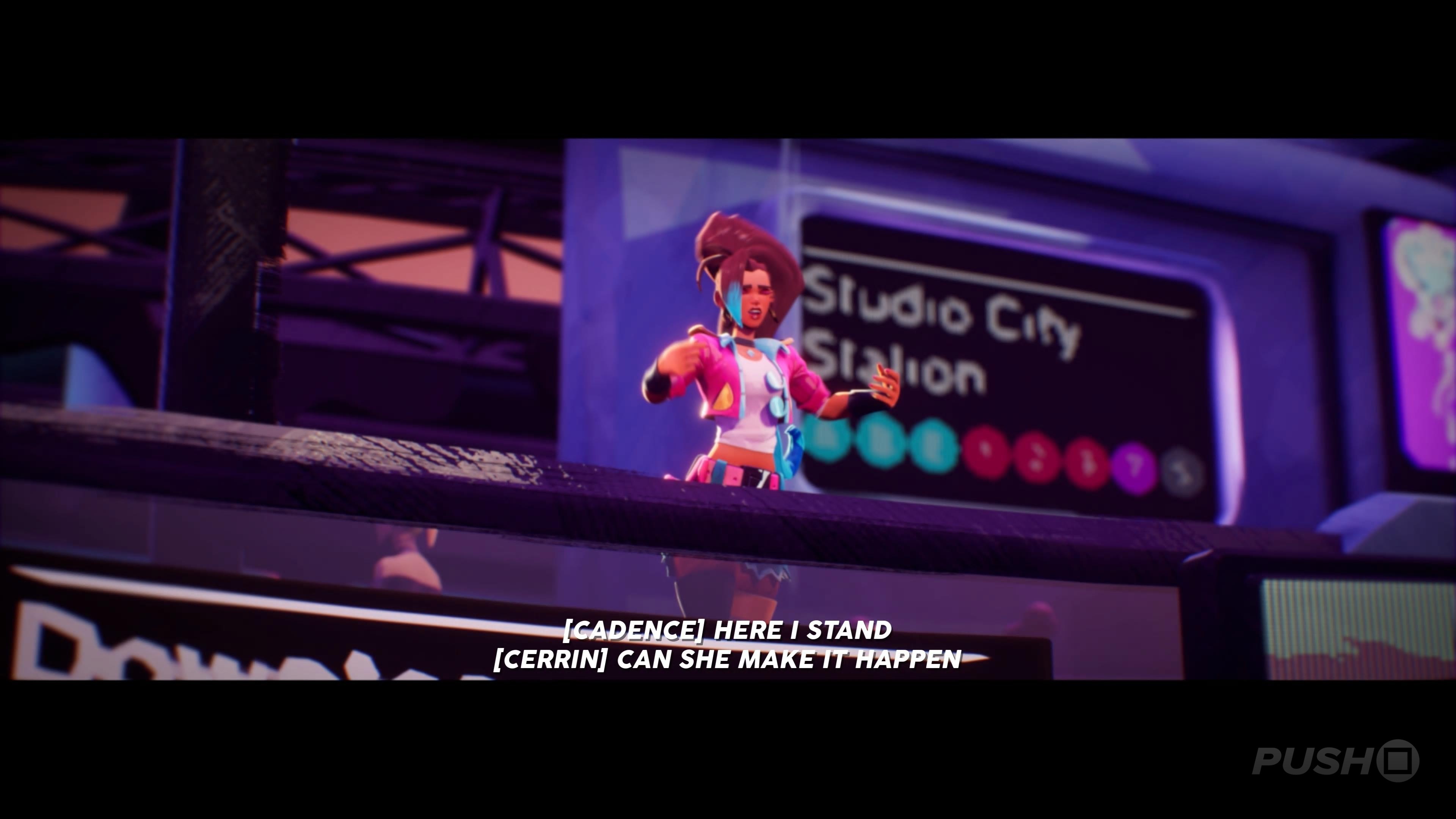
BP is accumulated with each attack, and these can be spent on Songstones, which are basically special abilities. You can build out your character as you see fit, and even link different Songstones together to improve their effectiveness.
And as you encounter new enemy types and bosses, you’ll need to get more creative with your approach. Some will apply debuffs to the sound stage, which can be wiped using one character’s filter sweep. Others will increase the BP cost of attacks, so you need to think carefully about which moves you’re going to use.
The game’s Limit Break alternative also adds another layer, enabling you to Mash Up with another genre for gameplay benefits. This can involve a devastating attack or a team-wide healing manoeuvre; it all depends on who’s teaming up with who.
As a musical game, there is an active component to the action too, which sees you timing button presses to the audio in order to launch a perfect attack. This is perhaps best compared to Clair Obscur: Expedition 33, although I didn’t feel the controller response was prominent enough to make it as satisfying as it should be.
While I enjoyed the battle system overall, I did find the pace of it a bit slow at times, and I wish the animations would have been speedier. Furthermore, while I liked the way it evolved, I think the campaign could have increased its complexity quicker.
Outside of battle, the game has a variety of environmental puzzles which basically revolve around flipping switches. I largely enjoyed these but I found them frustrating in the Choral Reef area, where you’re faffing with geysers to create platforming paths.
To its credit, the title is highly customisable without consequence, so you can turn off the environment puzzles if you really want to. This option exists to make the game more accessible, and while I didn’t use it, I can appreciate its inclusion all the same.
It’s not all bad either. There’s one dungeon in a mansion where you need to play a piano to find a key item, and I appreciated how the game kept coming up with fresh ideas rather than recycling the same conundrums over and over.
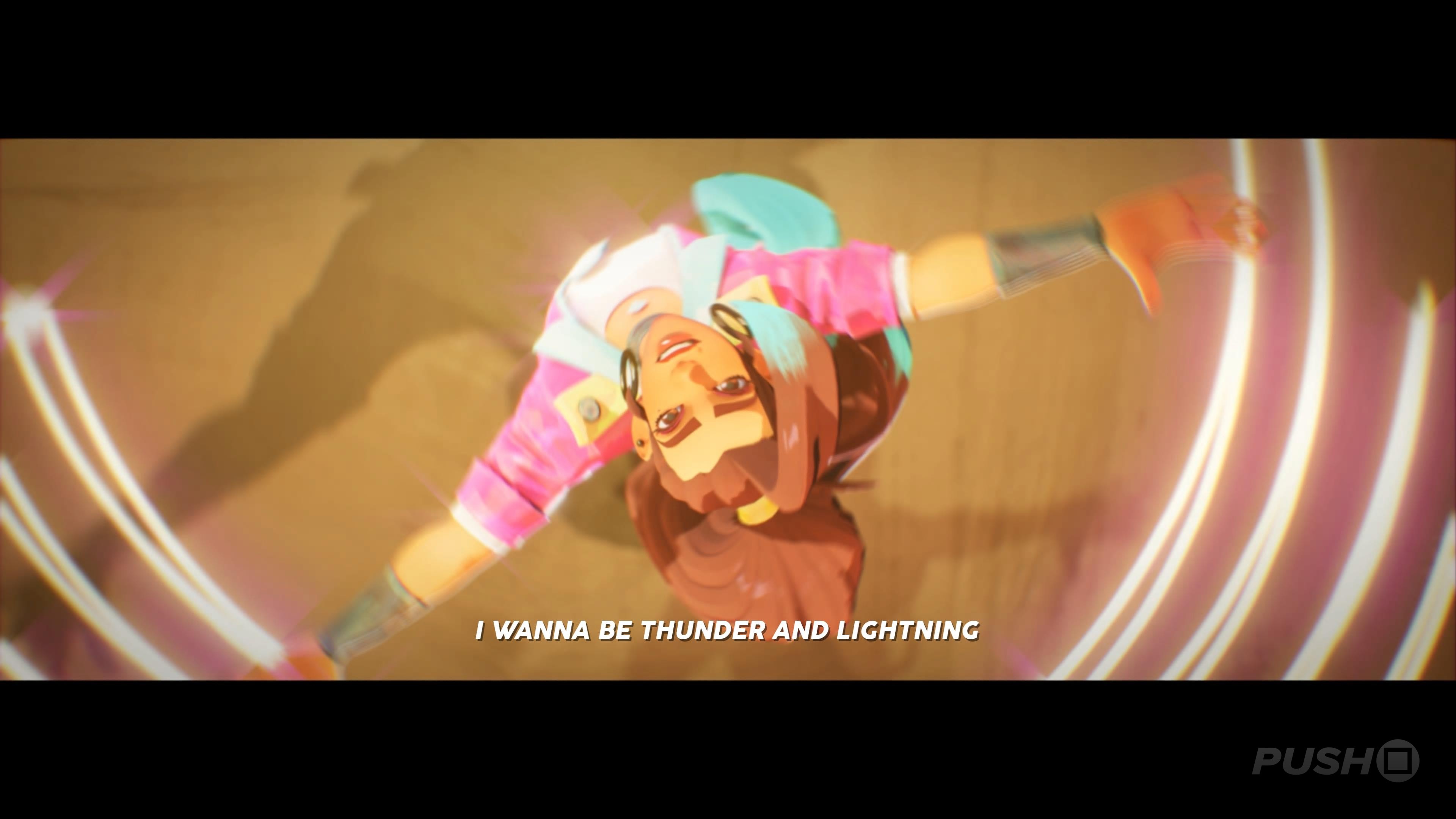
I also personally really liked the musical interludes. At key moments during the plot, the game transitions to a kinda music video, furthering the plot or providing some context for important personalities.
The music’s really good and pretty much all the dialogue is voice acted, some outstandingly well, like the pantomime villain Sharp and his sinister English accent.
I also want to shout out some of the game’s creativity, particularly when it comes to enemy types. I loved the imagination of foes like the Sea Bass – an aquatic interpretation of a bass guitar – and the Queen Bee, a buzzing bug equipped with an Elizabethan ruffle.
But I still think you can feel the game’s limited budget at times. Cadence’s run cycle is a little awkward and a lot of the story is told through character portraits, which look colourful and vibrant on the screen but can get a bit bland as the running time ticks beyond 10 hours.
Similarly, the game doesn’t really do anything of note (heh) with the PS5 hardware. I noticed the light bar changing colour as I played through the campaign, but I wasn’t able to determine what was actually triggering that. There’s no use of the haptic feedback, which might have been nice to add to the rhythmic nature of the battle system.
Conclusion
I know there have been other musical RPGs before, but People of Note still feels largely unique. I love how heavily it leans into its theme, and while I don’t expect the YA vibes to resonate with everyone, I personally found myself invested in the release’s cast and its brisk storyline.
I think the battle system could have been further refined to feel more impactful and I would have liked to see it evolve faster. Furthermore, I’m not sure all of the environmental puzzles are as fun as the developer intended – although they can be disabled if you’re not feeling them at all.
Ultimately, if you’re a fan of Final Fantasy and films like K-Pop Demon Hunters then you’ll love what Iridium Studios has assembled here. It’s a different kinda vibe, but one I thoroughly enjoyed.


Comments 12
Thanks for reading my People of Note review. Any other questions or thoughts I'll try to field to them as best as I can!
Yeah this looks right up my alley as well — and ten hours seems like a nice short jaunt - I'll likely fire this up once I'm done with RE9
Thank you for this review and happy to hear you enjoyed it! I'm very much looking forward to it. Just one question: roughly how many (fully-fledged) musical numbers? Just want to set my expectations accordingly that I don't get disappointed by how much musical goodness I may or may not be getting!
Looks interesting, will make an excellent ps plus game in a few months , not something id pay for though.
@Andee To be clear it is longer than 10 hours, I was just trying to say that style of storytelling gets a bit tired as you inch towards the end.
I actually still have a couple of tasks to complete in my playthrough, but my PS5 says I've been playing around 15 hours now.
@Tjuz There's a good amount of musical numbers. All of the main party have one and some of the villains too. I wasn't keeping count of it but there's at least 10 or so.
@get2sammyb Ah, good to know - thanks. Also, is there a fair amount of dialogue to skim through? I don't necessarily mind the YA style of it, but when games basically become visual novels but claim to be a different genre, that's when my patience starts to wane.
@Andee I think the dialogue is brisk but there is a reasonable amount of it. I wouldn't say it's like a visual novel and I don't know what your tolerance level is, but there's definitely a fair amount of chatting.
This is absolutely my next play and I'm looking forward to it. I'm just finishing up Avowed first and, while I've enjoyed it, I'm ready for some innovation.
This Sounds (excuse the pun) interesting. I love the vibrant art style too.
Nice review, but this game sounds like it was tailor made for me to not enjoy.
This looks totally not for me at all, but I’m commenting because I’m glad that someone’s pretty clearly trying to tap into a demographic that isn’t being sold video games right now.
Show Comments
Leave A Comment
Hold on there, you need to login to post a comment...